Australia becomes first country to ban social media for under 16s
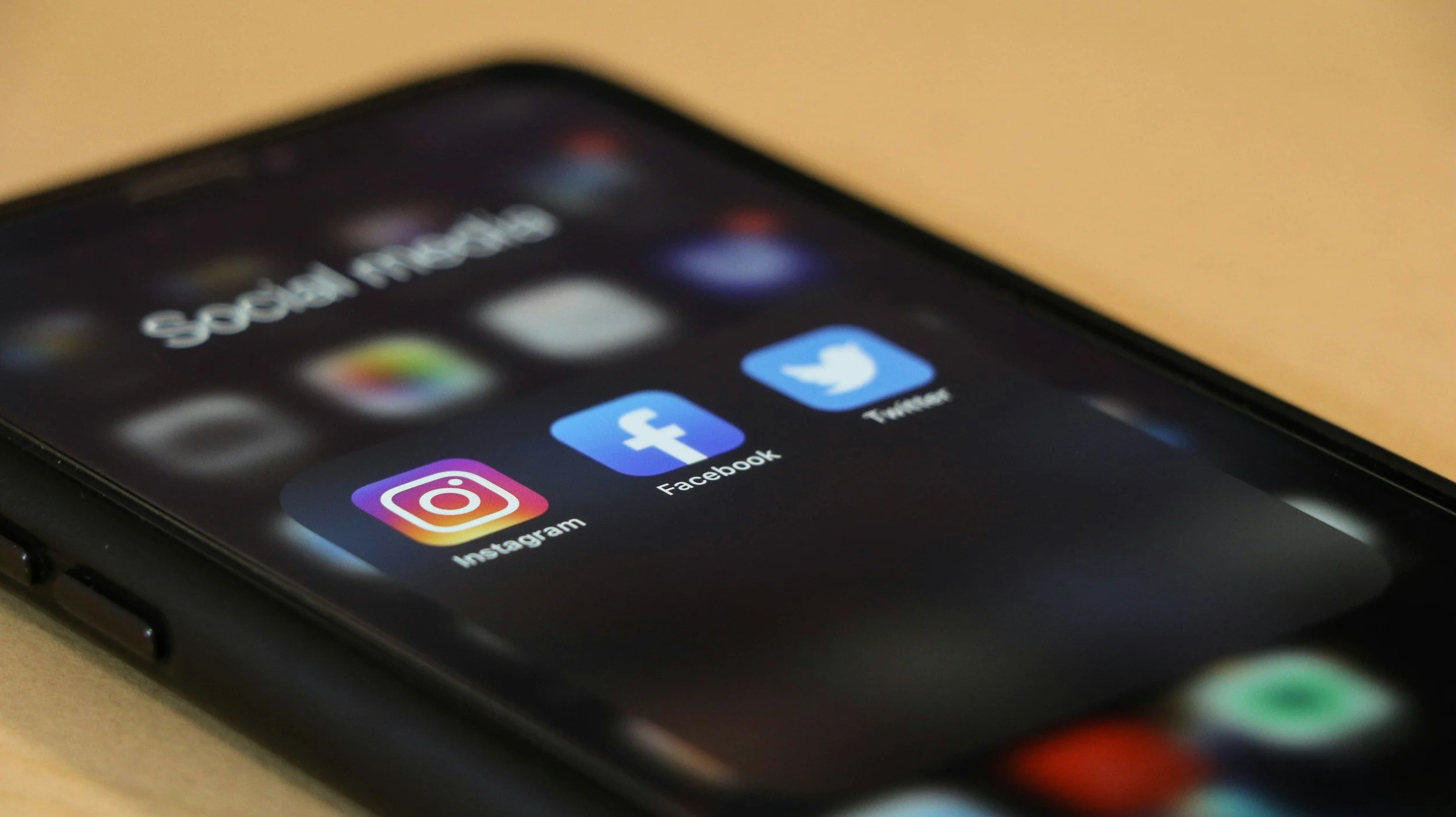
Image: @dole777 via Unsplash
Australia’s prohibition of access to online platforms for under‑16s has been the subject of most discussion. Australia is the first country in the world to introduce such a law.
The move comes in the wake of major controversies about online safety. While attention has not been limited to Meta, whistleblowers from the company have made a series of allegations that platforms like Instagram have caused harm to young people.
Internal research at the company showed that Instagram had caused or worsened body image issues for teenage girls, but these findings were downplayed. Whistleblowers have testified publicly that Meta buried or restricted studies into youth mental health impacts, echoing tactics of other industries - like tobacco - that concealed harm.
In practice, under 16s will be banned from creating or holding accounts on platforms such as Facebook, Instagram, TikTok, Snapchat, YouTube, X (Twitter), Reddit, Twitch and Kick. This will take force almost immediately, from 10 December 2025. All existing accounts must be deleted by the platforms concerned. Meta has already begun warning young users to download their data before accounts are deleted.
Platforms are also obliged to take "reasonable steps" to verify user age - something the UK has already put into practice with the Online Safety Act 2023. Methods for doing this include analysis of user photos, video selfies and upload of official ID documents. Platforms must block attemtps to evade these controls, including VPS and the use of fake ID.
The Act imposes financial penalties of A$49.5 million (US$32 million) on the platforms for each instance where "reasonable steps" have not been taken.
Under 16s are not banned from accessing publicly available content on these platforms, so for instance they are not banned from accessng YouTube videos but they will not be able to post videos or add comments to existing ones.
Impact for Australia and beyond
While advocates of protecting children against algorithmic manipulation, bullying and harmful content (such as pro anorexia content) have naturally welcomed the changes, this is a blunt instrument that arguably obstructs young people from gaining the kind of technological literacy that would make them more discriminating about online content and narratives as adults.
UNICEF Australia has warned that the net impact of the law will be to encourage young people to move to unregulated platforms; not all exist within the reach of Australia's govrnment. It is also possible that these new restrictions could become a justification for narrowing online access to controversial content generally. The UK legislation, for example, has effectively imposed age verification checks for accessing pornographic content for all internet users.
Two Australian teenagers are currently pursuing a legal case arguing that the social media ban is an infringement of their right to political speech. The case is supported by the Digital Freedom Project
It appears that there has already been something of an international demonstration effect. Publicity about Australia's plans percolated long before the law itself was passed. Following Australia’s lead, Malaysia has already announced that it will ban under‑16s from social media in 2026, under its new Online Safety Act.