
Punished for talking to the UN
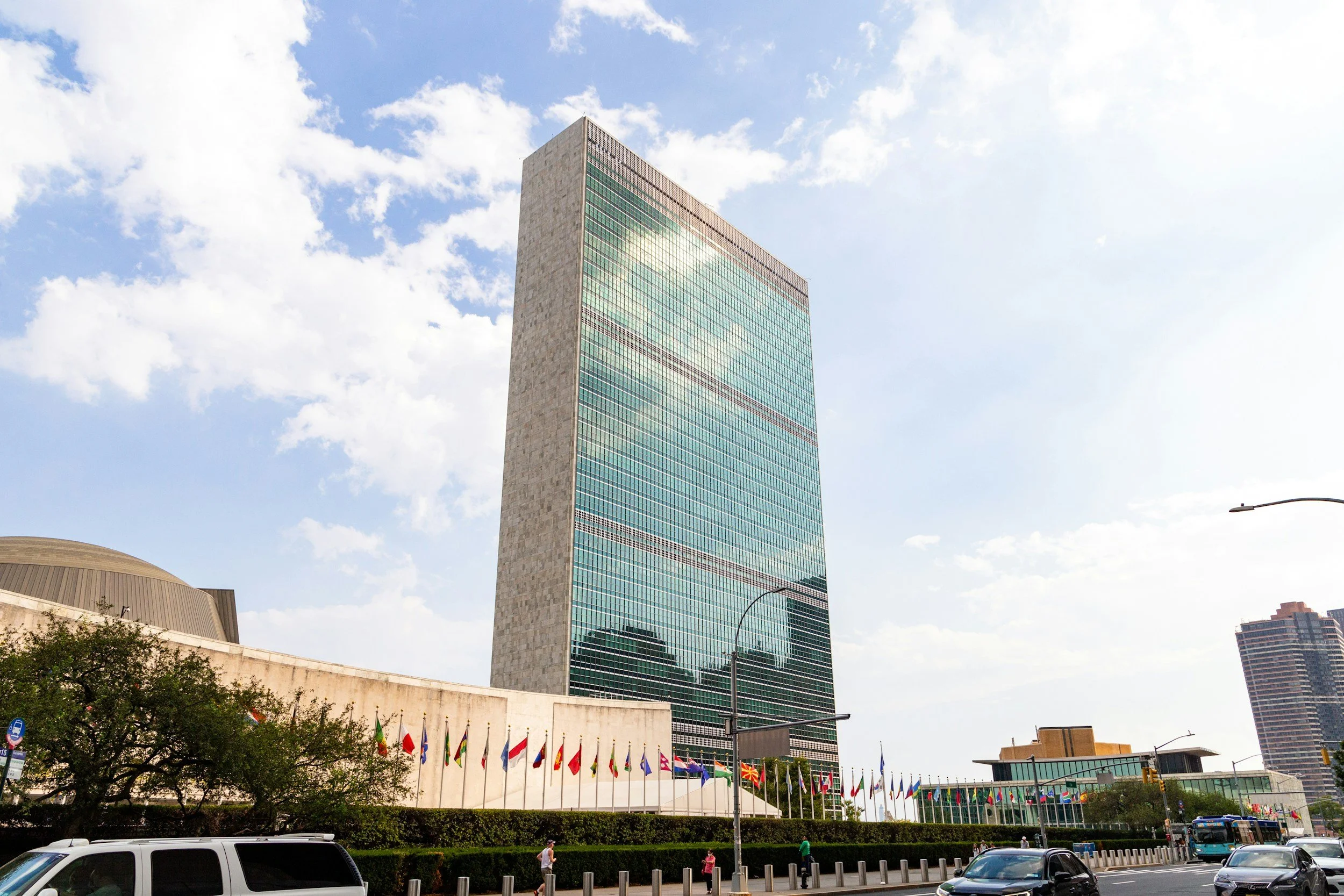
Image: Maxim Klimashin@maxim_klimashin via Unsplash
In a growing number of countries, telling the United Nations what is happening at home is treated as an offence. The UN Secretary-General’s latest annual report on reprisals finds that people who co-operate with the UN are being watched, smeared, prosecuted, beaten and stabbed – and that the reach of those punishing them increasingly extends far beyond their own borders.
The report, released last week and before the Human Rights Council’s current session in Geneva, documents cases involving 31 UN member states and one non-member observer state from 1 May 2025 to 30 April 2026. Verified cases concerning four more member states were left out altogether “because of serious risks to the victims”.
Half the new cases in its first annex had to be anonymised. The report warns the real number of attacks is higher because many victims are too frightened to come forward.
A major finding concerns transnational repression to target critics abroad. Allegations of this nature “seemed to be on the rise”, the report states, with documented acts affecting at least 43 people and four groups based in third countries. Such incidents were recorded in 15 of the 32 states surveyed in the report.
Methods listed included in-absentia trials, physical attacks, digital harassment and the confiscation of passports. The report also cites the “instrumentalization of the legal frameworks for combating transnational crime, terrorism and cybercrime”, including extraditions “without appropriate safeguards”.
Another significant finding was the rise of online or offline surveillance of those who engage with the UN, which was reported in almost one in two of the states covered – up from one in three the previous year.
“The reporting period highlighted the growing role of digital technologies in enabling intimidation and reprisals, including through online surveillance, harassment, coordinated disinformation campaigns and the targeting of individuals across borders,” the report found. “These trends underscore the need for stronger safeguards to protect those engaging with the United Nations in digital spaces.”
Basma Mostafa, an Egyptian investigative journalist, has lived in exile in Germany since November 2020. According to the report, she has been the alleged target of transnational repression by Egyptian state agents, or people reportedly acting on their behalf, in Germany, Kenya, Lebanon and Switzerland.
In August 2025 she was reportedly the target of a co-ordinated online campaign labelling her a “spy”, “agent”, “terrorist” and “fugitive”. On 17 September a message to her German phone threatened her with assault: “wait for your punishment”. The report states that the sender was allegedly the same individual who incited rape against her in 2022.
Joseph Akaravong, a Lao environmental activist, fled a 2018 arrest warrant, first to Thailand and then to France, where he was granted asylum. In October 2024 he travelled to Geneva for the UN women’s rights committee’s review of Laos. The following month he briefed the UN Special Rapporteur on cultural rights ahead of her visit to the country.
On 14 June 2025 he was stabbed by an unknown man in the streets of Pau, in south-western France. Four people were arrested. UN experts said the circumstances “raised concern regarding possible links to Lao PDR State agents or individuals acting with the acquiescence or support of Lao PDR State authorities”.
Two cases from West and Central Africa show what can await human rights defenders who speak to the UN and then go home.
In Guinea-Bissau, lawyer Luís Vaz Martins was reportedly abducted by four armed men on 10 October 2025 and beaten unconscious as “punishment” for criticising the President. UN experts said his work with UN human rights bodies was among the motives. The government told the UN that criminal investigations were under way.
In Equatorial Guinea, human rights lawyer María José Bikene Obiang spoke at a UN review of the country’s human rights record in March 2025. On public radio, after the host named her, a senior official reportedly said that people who questioned the government’s stance on the death penalty at the review could be considered “enemies of the State”. A security official then allegedly followed and phoned her, and she has temporarily moved abroad.
The report warned of shrinking civic space to engage with the UN, and growing pressure on those who wish to exercise their right “to participation in public affairs, freedom of expression, and peaceful assembly and association”. This has contributed to “an environment of fear and self-censorship when engaging with the United Nations”.
The Secretary-General urged “relevant States to refrain from such acts, to protect those at risk and to ensure accountability”, warning: “If they cannot trust that they can co-operate safely with the United Nations, we all lose.”
