Social media ban for under-16s gains momentum
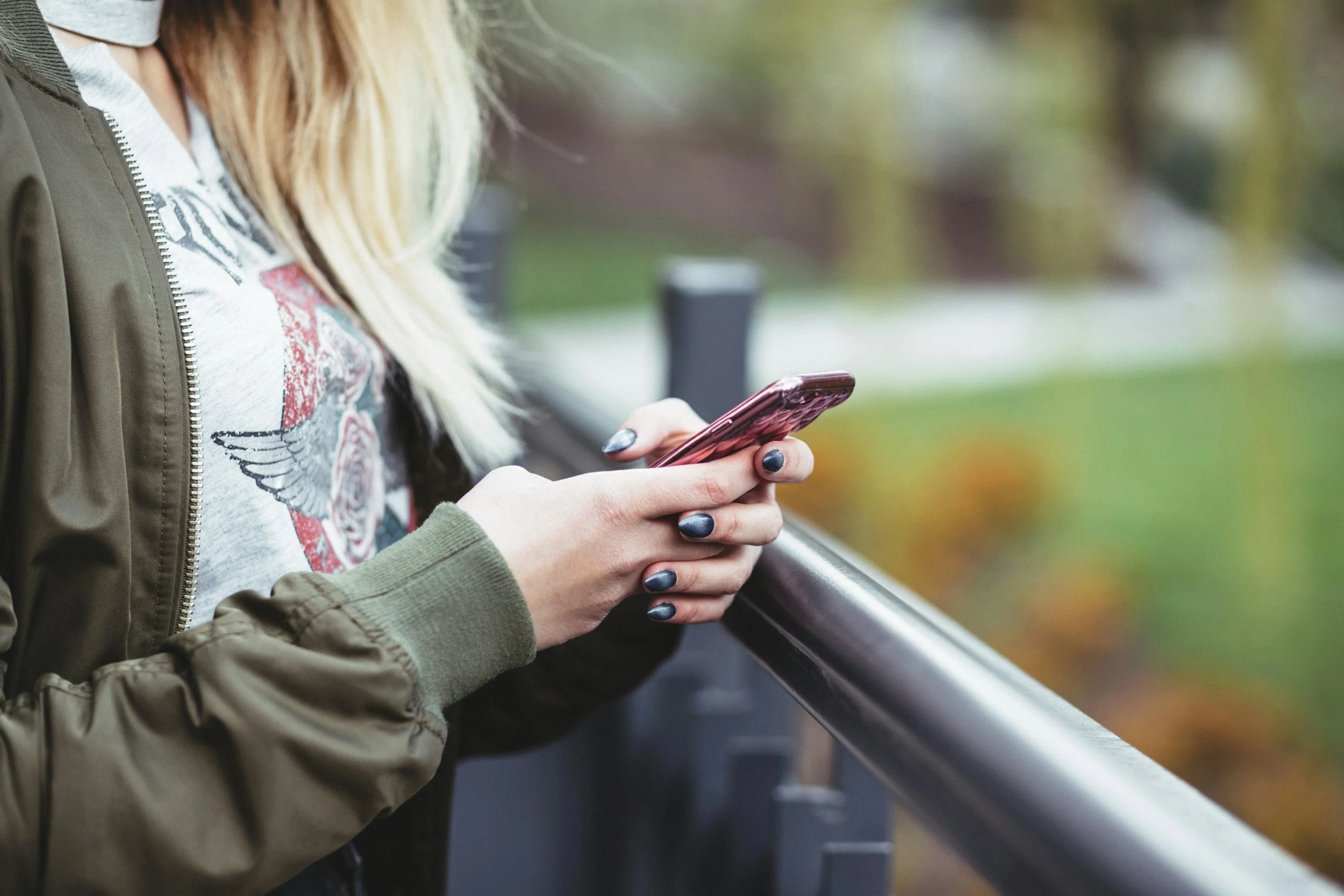
Image: Photo by Freestocks @freestocks via Unsplash
Spain is set to join Australia and France in banning social media for anyone under 16, promising to hold social media companies and their executives accountable for harmful content and AI-generated abuse.
A senior government source told Reuters this week that Greece was about to announce a similar ban for under-15s, reflecting a hardening of attitudes in Europe against tech companies seen to be pursuing profits at all costs while disregarding potential harm, especially to children.
These moves come amid warnings that a populist blanket ban, while well intentioned, might not deliver the protections needed.
In France, President Emmanuel Macron announced he wants a ban for under-16s in place by the beginning of the next school year. The UK government has launched a public participation process on implementing a ban that will include making schools phone free. Denmark and Austria have also announced they are considering similar limits, and Malaysia, following Australia’s lead, approved a ban in November.
Amid widespread public support, Spanish Prime Minister Pedro Sánchez announced this week he planned to ban access to social media for under-16s, criminalise manipulation of algorithms to boost illegal content, and hold social media executives liable for legal violations on their platforms. These measures would require the Spanish parliament to pass an amendment to an existing law protecting children, and approve changes to Spain’s criminal code.
Australia’s social media ban came into effect on 10 December. It prevents under-16s from holding accounts for 10 apps deemed harmful to teenagers and children, including Facebook, Instagram, X and YouTube, and requires age verification. All social media companies complied, and in the first month 4.7 million accounts were deactivated.
However, questions are being raised about whether closing teenagers’ social media accounts is in fact making it safer for them online. For a start, there has been a big increase in downloads of apps from unregulated platforms. The use of fake details and VPNs is also on the rise.
Academic researchers in the UK have warned the evidence that age-based social media bans are effective remains inconclusive. Some have argued for support for improving digital literacy and a reduction of algorithm-driven exposure to harmful content, with improved guardrails. They point out that blanket bans tend to encourage migration to other, unregulated platforms, and could engender a false sense of security.
The growing call for social media bans comes as momentum gathers to prosecute those who use AI tools to generate sexualised images of children.
This week Unicef urged software developers to implement a safety-by-design approach, with robust guardrails to prevent abuse. It called on all governments to include AI-generated sexualised images of children in the definition of child sexual abuse, and to criminalise creating, procuring, possessing and distributing such images. The UN agency also wants social media companies to proactively prevent circulation of such material and use detection technologies to beef up content moderation so that offending content can be removed immediately.
The UK is likely to be the first country to introduce such child abuse laws, making offences punishable with up to five years in prison, the government announced last weekend.
This week French police raided X’s headquarters in Paris as part of a criminal investigation into the distribution of child pornography, and summoned executives, including X’s owner Elon Musk, for voluntary interviews. A Washington Post investigation released this week found that Musk’s xAI had relaxed controls on sexualised material and disregarded staff concerns that this could lead to the generation of sexualised images of children.
https://www.washingtonpost.com/technology/2026/02/02/elon-musk-grok-porn-generator/
