
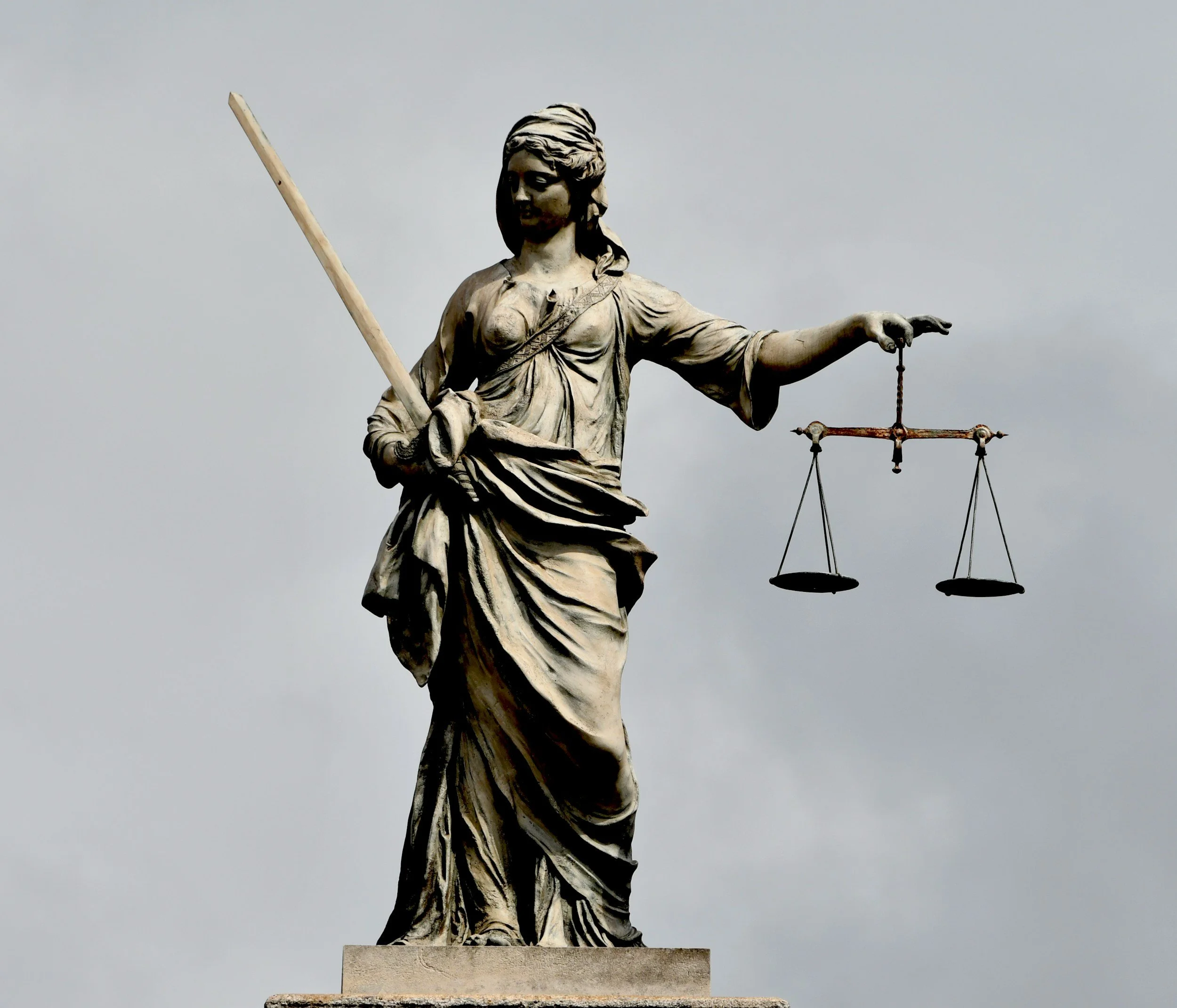
Photo: ALEJANDRO POHLENZ @apohlenz via Unsplash
Across the UK and Ireland, survivors of sexual and gender-based violence (SGBV) are increasingly being targeted by civil legal action after speaking out. While SLAPPs—Strategic Lawsuits Against Public Participation—have long been recognised as a threat to press freedom, their use against survivors remains underexamined in policy discourse. A new report from CASE member Index on Censorship sheds light on how these lawsuits are being used to suppress survivor testimony, entrench power imbalances, and exploit procedural gaps in civil law.
A Continuation of Abuse by Other Means
For survivors, the decision to speak publicly—often after having gone to the police and been failed by the criminal justice system—is rarely taken lightly. Many do so to warn others, especially when the alleged perpetrator remains in a position of trust or authority. But this act of public interest expression is increasingly met with legal retaliation: defamation claims, harassment suits, and threats of multi-jurisdictional litigation.
These actions are not merely chilling—they are retraumatising. Survivors report that the legal process itself becomes a site of continued abuse: reliving trauma, facing their abuser in court, and navigating complex procedures without adequate support. In many cases, the civil process lacks even the most basic trauma-informed safeguards available in criminal proceedings.
Procedural Gaps and Power Imbalances
The report highlights how civil litigation—particularly claims centering on defamation—can be used to exploit survivors’ vulnerability. Unlike in the criminal courts, in civil cases there is no presumption of innocence for the defendant, and the burden of proof often falls on the survivor to justify their public statements. This is especially difficult when criminal investigations have not resulted in charges or convictions, leaving survivors without the evidentiary backing that might otherwise support a truth defence.
Moreover, the financial asymmetry is stark. Defamation trials can cost hundreds of thousands of pounds, and legal aid is rarely available. Survivors often resort to crowdfunding, which itself can trigger further legal threats. In one case, a survivor received a pre-action letter simply for launching a crowdfunder to support a civil claim against her alleged abuser.
Legal Ethics and the Role of Practitioners
The report also raises concerns about the conduct of legal professionals. Survivors describe receiving threatening letters marked “strictly confidential” and “not for publication,” often sent late on Fridays to maximise distress. Some letters cite potential claims in multiple jurisdictions, including the United States, where punitive damages may be available. These tactics, while legally permissible, raise serious ethical questions about the use of litigation to intimidate rather than resolve disputes.
Regulatory bodies have issued guidance on the misuse of legal threats, but enforcement remains limited. Survivors often struggle to find representation, with some lawyers advising them not to speak out at all. This creates a chilling effect not only on individual expression but on broader efforts to expose patterns of abuse.
Survivors left out of Anti-SLAPP laws
While anti-SLAPP advocacy has gained traction in the context of journalism, the report argues that civil procedure reform must also account for the unique position of survivors. Current proposals often focus on early dismissal mechanisms and cost protections, but these may not be sufficient when the defendant is already traumatised, under-resourced, and navigating the process without legal support.
The report calls for trauma-informed procedural reforms, including:
Expanded access to legal aid for defamation and related claims
Special measures in civil courts for vulnerable defendants
Clearer regulatory oversight of legal intimidation tactics
Recognition of SLAPP patterns beyond media contexts
Reframing the Public Interest
One of the most striking insights from the report is how narrowly the public interest is often construed in defamation proceedings. Survivors who speak out to protect others—particularly when the alleged perpetrator holds a position of power—are arguably engaging in a form of public interest advocacy. Yet courts may treat these statements as private disputes, ignoring the broader societal implications.
This disconnect between legal framing and lived experience underscores the need for a more expansive understanding of public interest in civil litigation. It also highlights the importance of centering survivor voices in policy debates about SLAPPs, freedom of expression, and access to justice.