
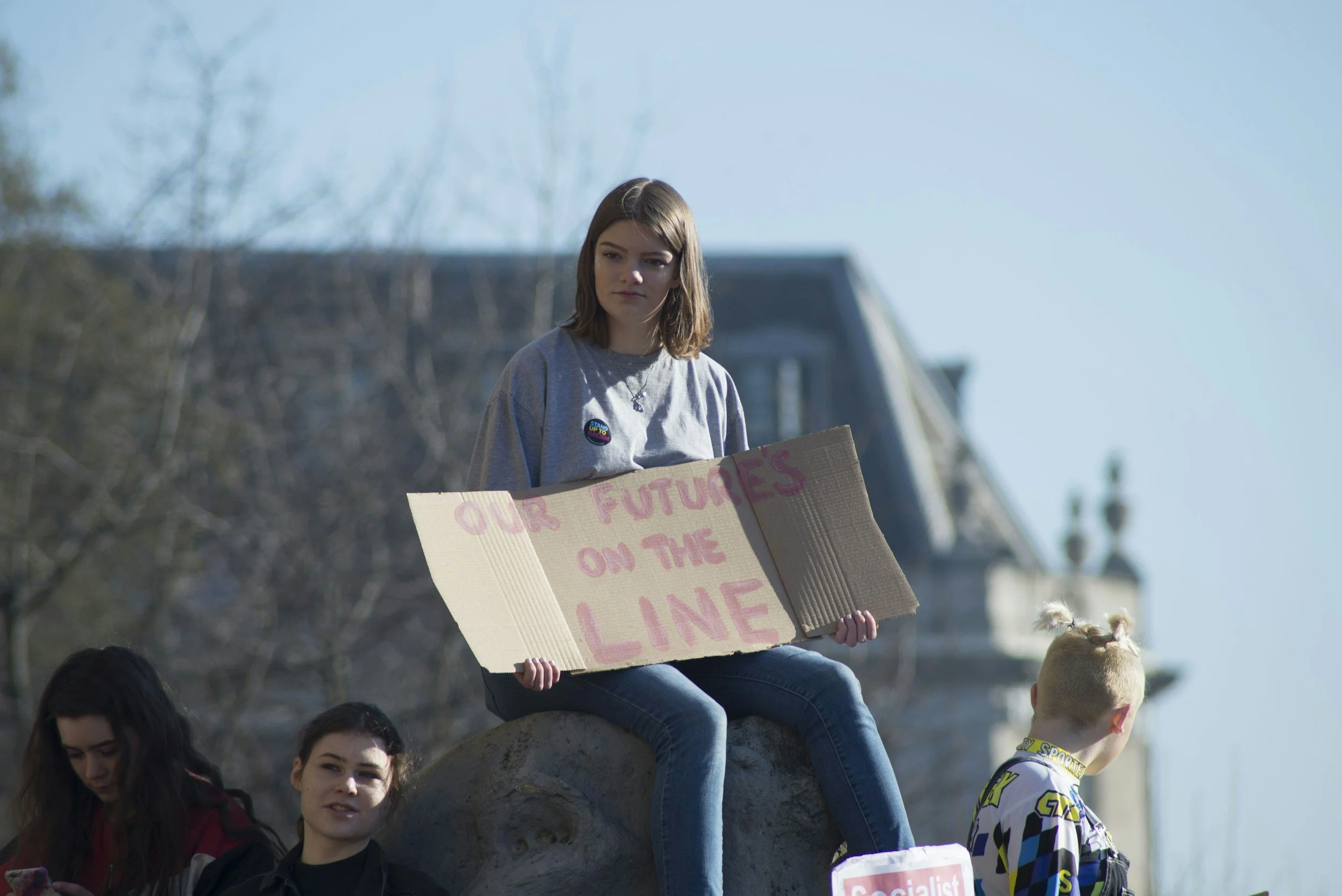
Image: Josh Barwick @joshbarwick via Unsplash
UN Special Rapporteur Gina Romero’s latest report analyses the chilling effects of AI-amplified digital surveillance on the work of civil society – how it shrinks democratic space, limits free association, instils fear and leads to silencing.
Providing concrete evidence from research in 84 countries, she details how, under the pretext of heightened security concerns, it has become increasingly normalised throughout the word to use dual military and civilian use spyware to place social movements, human rights defenders and youth and grassroots activists under intrusive surveillance.
She points out the impact of this ramped up, military-grade surveillance extends beyond privacy and freedom of expression issues. It also harms interconnected rights including freedom of association and assembly. “They impact who people talk to, what they say, their public or private social activities, and if (or how) they participate in democratic processes and political activities,” she says.
As a result, rights movements and their members are becoming fractured and isolated. Some choose to scale back their work, reduce their public presence or even destroy their records and archives. This limits their ability to operate as watchdogs and reduces their visibility to funders, ultimately undermining their function in protecting and supporting victims of human rights abuses, promoting democratic values and practices, and upholding the rule of law.
Her report also highlights what she describes as “one of the least discussed consequences of the pervasive surveillance”, namely severe psychological harm. “It creates a state of constant hypervigilance, deep psychological stress, clinical depression, burnout and chronic trauma, ultimately forcing individuals to leave the sector and abandon human rights work entirely.”
She advocates a complete overhaul of how governments and corporations assess human rights impacts of surveillance systems, and the cumulative harm and long-term damage they cause to civic space, democracy and fundamental freedoms.
“If civil society is to remain free and vibrant, people must be able to organize, speak and connect without fear of being watched,” she concludes.
Romero’s report makes for grim but essential reading.
https://www.techpolicy.press/the-quiet-erosion-of-collective-action-under-digital-surveillance/
