
New dawn for press freedom in Hungary
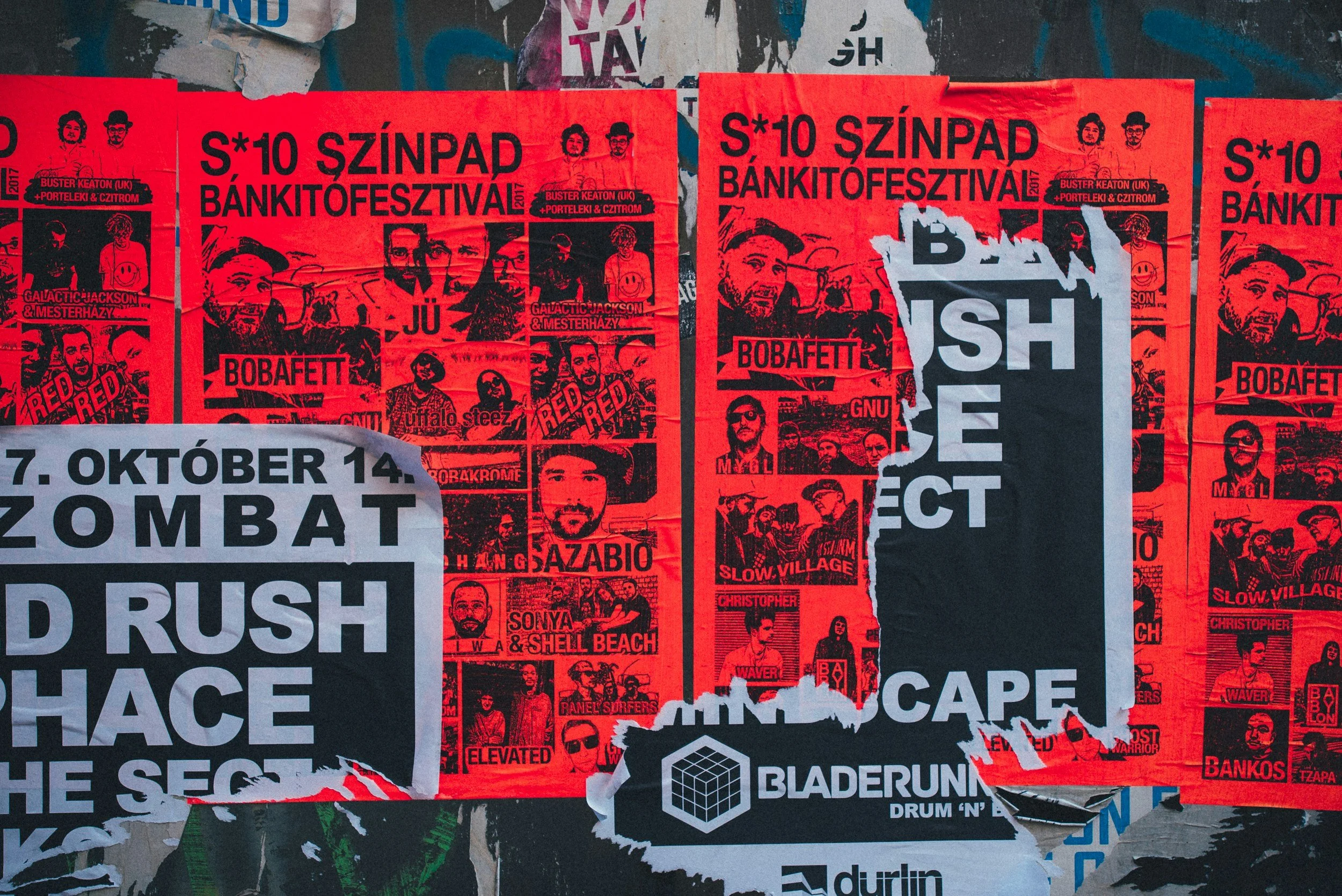
Image: Francesco Zivoli @lzvwsk via Unsplash
Just over a month ago Peter Magyar won a landslide victory with the highest voter turnout in Hungary’s history since the collapse of communism in 1989. One of the key planks of his party’s platform was to transform the public service media, which became little more than a state propaganda machine for his long-serving predecessor, Victor Orban.
Magyar’s first step was to submit a new draft law to parliament aimed at reversing 16 years of authoritarian state media control and become more aligned with EU values such as editorial independence and free access to information by giving “the public media back to the public, to the Hungarian people”, in the words of Culture Minister Zoltan Tarr. He also promised the law would restore the independence of Hungary’s media council, which oversees both commercial and public media outlets.
The bill proposes some significant and far-reaching reforms.
For a start, the public media conglomerate MTVA will cease to exist. It will be replaced by the Hungarian Television and Radio Non-Profit and the Hungarian News Agency, which will regain its independence. A newly created Independent Public Media Board will supervise operations and finances of public media, and oversee senior appointments and large contracts. Although public funding would still need to be approved by parliament, the board will consist of three members nominated by the ruling party, three from opposition parties and three by professional media groups, with party hacks banned from serving.
A new Public Service Charter would establish enforceable guidelines and professional standards overseen by a council of 18 members drawn from a broad range of state, civil society, religious, academic and cultural groupings. Another significant innovation is the establishment of a national media fund to support independent platforms and community media.
For now, media commentators and political analysts in Hungary are adopting a wait-and-see approach, BalkanInsight reports. “It is not usually the legal framework that determines whether public media is good or bad, but rather the editorial decisions,” Andras Pulai of the Publicus Institute said. Proof of independence would be the willingness of public media to criticise the new government and expose wrongdoing, he said.
Still, there is no question that the Hungarian media is undergoing a major sea change. Because of its political bias, audiences for public media platforms have dwindled in recent years. The private media landscape, however, is dominated by outlets owned by Orban loyalists that until now were kept afloat by generous state advertising. Columbia Journalism Review has pointed out pro-government newspapers, online platforms and television channels make up 80 percent of the industry.
Now that these outlets have lost their financial lifeline, many are downscaling or facing closure. Mediaworks, one of Hungary’s largest private media companies that forms part of the Orban-aligned KESMA conglomerate, has already begun mass layoffs.
Although these developments bode well for press freedom, journalists at independent newsrooms have warned their readers not to expect them to simply become cheerleaders of the new regime.
