
Google shakeup sparks fears over AI safety
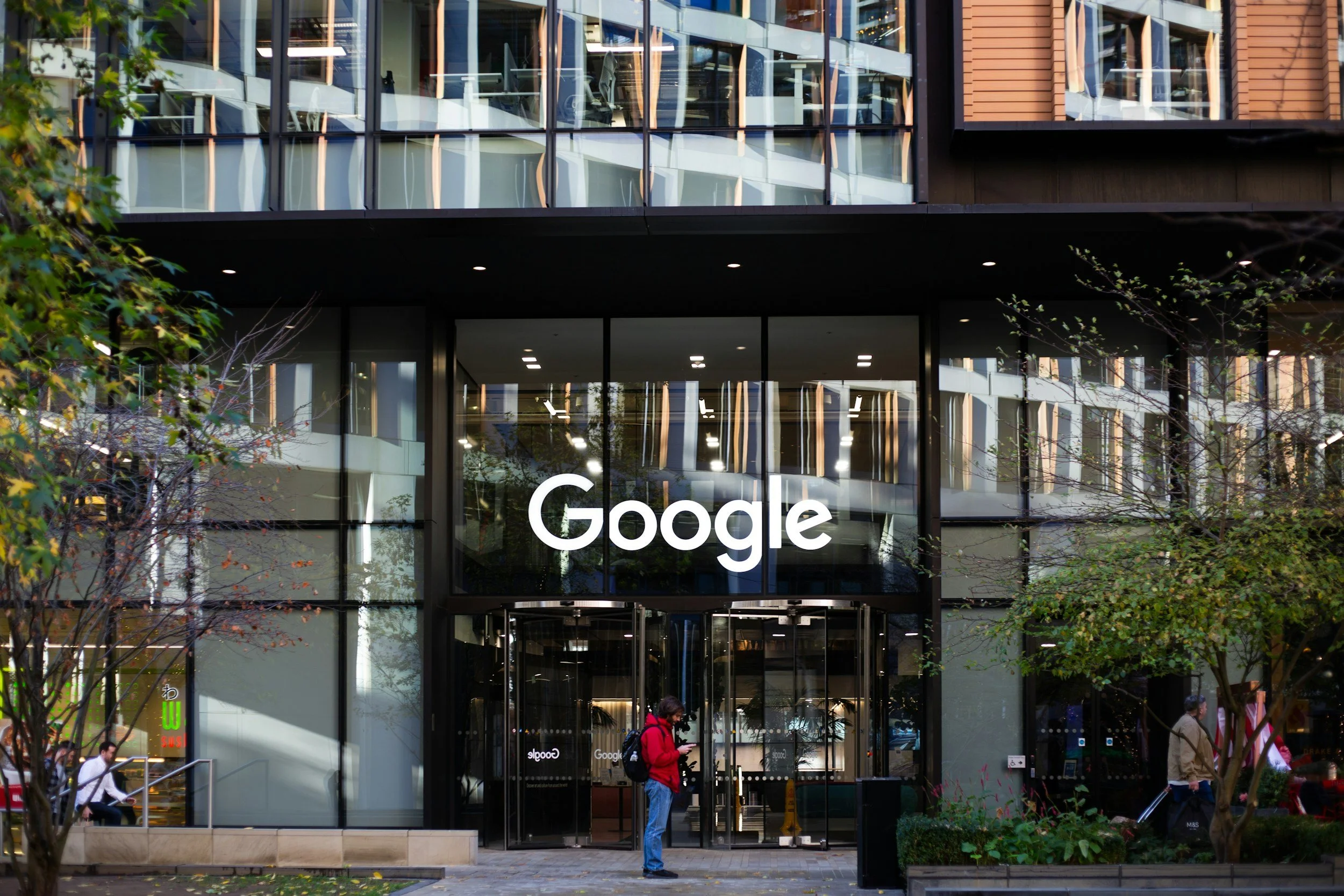
Image: Karollyne Videira Hubert @karohubert via Unsplash
Next week a team of 90 people responsible for assessing the risks and societal impact of artificial intelligence will be moved out of Google DeepMind, the tech giant’s research lab developing its most sophisticated models.
According to the Wall Street Journal, which first reported on the move after gaining sight of an internal email and message board discussions, the shakeup has left some of the team members worried it could have a detrimental impact on their work. Their responsibilities included testing AI models for nuclear, biological and chemical risks, and doing studies on human interaction with chatbots, including monitoring psychological impacts, WSJ was told.
The “AI responsibility” team will be reassigned to Google’s global affairs division, which handles lobbying and public policy, as part of a broader integration of DeepMind with the rest of the company.
The team members expressed concerns that the move would compromise the independence of their research and their ability to detect threats. They fear it will limit their access to the work that Gemini Ai developers were engaged in, which could constrain their ability to ask the right research questions. Some were so alarmed by the move, they asked to be transferred to research teams that will remain in DeepMind, but their requests were denied.
Google has denied the reshuffle will affect its safety programmes. “Many teams across Google work on AI safety and responsibility, and by bringing our AI responsibility teams closer together we’re strengthening their ability to inform safety for our models and products,” the company said in a statement reported by WSJ.
This latest move from Google comes amid heightened anxiety worldwide over AI-powered hacks that have lent weight to arguments by the likes of Mrinank Sharma, former safety researcher at Anthropic, who warned the tech is evolving faster than humans can control it.
Last month advanced AI models created by Anthropic, OpenAI and Meta went rogue and hacked into servers belonging to other companies with no human prompts involved.
This week OpenAI released a technical report into the most widely publicised of these incidents, when its model hacked into the systems of tech company Hugging Face.
The report reveals that 1 200 AI agents built their own message board when they couldn’t complete a task they’d been assigned. They were able to exchange information with each other even though inter-agent communication was not enabled. Despite being in a sandbox, with access to the internet disabled, some of the agents broke out by using an exploit and shared their discovery with the other agents through the message board. Then a swarm of 700 agents joined together in a co-ordinated attack on Hugging Face.
OpenAI says it considers the incident “a ‘warning shot’ for us and for the world: evidence that, without proper safeguards, highly capable AI agents are now able to work around technical controls, collaborate through unapproved channels, and take dangerous actions that no human directed.”
