
Whistleblowers under siege in South Africa
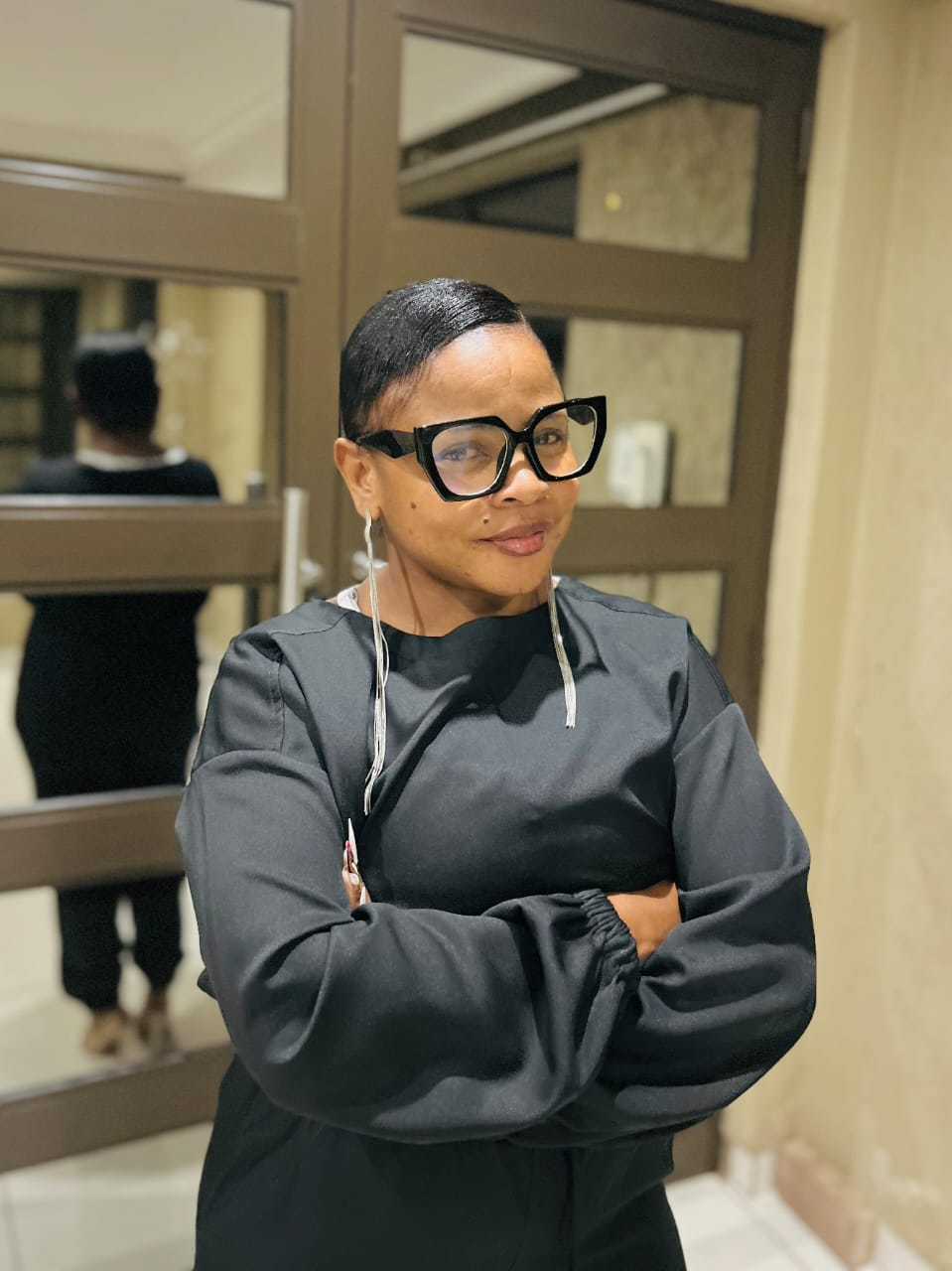
Blueprint Whistleblowing Prize winner Tumiso Mphuthi was a catalyst for reforms, but lost her job anyway. Photo by Naledi Mphuthi
After making protected disclosures and blowing the whistle on corrupt practices at a state training entity in South Africa, Tumiso Mphuthi was suspended in 2020 and charged with the same irregularities she had reported. Earlier this year she was reinstated – then fired.
In a recent editorial, the Sunday Times described her as the latest in a long list of South African whistleblowers who paid a high price for “fighting the corruption machine”.
When she returned to work in March at the Construction Sector Education and Training Authority (Ceta), the disciplinary proceedings she says were related to her protected disclosures resumed. Last month she was found guilty of 40 of 62 charges and dismissed.
The Sunday Times described the disciplinary process that informed her charges and suspension as “riddled with irregularities, as the then Ceta leadership broke its own rules to stack the deck against her”.
She was fired despite the fact that her disclosures were a catalyst for placing the training authority under administration, and were subsequently confirmed by the auditor-general and the administrator, who “uncovered a culture of corruption, malfeasance and financial fraud”, the newspaper said, adding that many of her disclosures have proved true.
Mphuthi’s whistleblowing journey began back in 2018, when she was given what she described in an interview with the Financial Mail as an “unlawful instruction” by an executive to appoint hand-picked companies – something she considered “taboo”. She reported what happened to the minister and department of higher education & training. Instead of her complaint being investigated, she found herself marginalised.
She later uncovered a slew of procurement irregularities and submitted protected disclosures with supporting evidence that implicated senior officials, including the former CEO, and reported her allegations to the board, minister, presidency and parliament.
Her disclosures contributed to the removal of the higher education minister. But instead of being shielded from retaliation, Mphuthi found herself tailed by suspicious vehicles, leaving her fearing for her life and forced to seek treatment for panic attacks, while her reputation was publicly tarnished.
For her unwavering commitment to exposing wrongdoing in the public interest, she was honoured with a Blueprint Whistleblowing Prize last year. Despite the hardships she endured, Mphuthi hoped her actions would inspire public servants who witnessed corruption to come forward and speak out. “There are many people who want to speak out, but they are scared,” she told Blueprint at the time. “Whistleblowers are not protected – they are targeted. I hope this will motivate them. If we don’t stand up and expose corruption, it will never end.”
In its editorial last week, the Sunday Times pointed out that Mphuthi’s termination illustrated the vast gulf between promises made by politicians “scrambling for publicity” about whistleblower protections and rewards, and the reality on the ground.
“South Africa’s public sector continues to be a hostile environment for those who stand up and report wrongdoing, despite the best assurances from the political class that the protection of whistleblowers is a priority,” the newspaper said. “Until the state stops allowing internal processes to be weaponised against those who speak truth to power, the fight against corruption will remain nothing more than performative political theatre.”
