
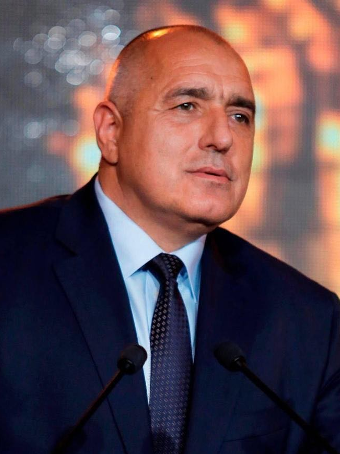
News Updates for 21 March
Former Bulgarian Prime Minister Boyko Borissov is arrested as part of an investigation into the misuse of EU funds

Spain finally presents first draft whistleblowing law
Long-delayed legislation is intended to transpose the 2019 EU Whistleblowing Directive

News Updates for 16 March
Russia’s invasion of Ukraine claims the lives of international journalists, more threats to reporting in Turkey and Albania and anticorruption reforms mooted in Bulgaria and the UK

EU finalises digital rights legislation to counter influence of Big Tech
The targets of the legislation are primarily the major American-based companies including Google, Microsoft, Facebook, Amazon and Twitter, who dominate the online space

Russian independent media shut down for telling the truth about Ukraine invasion
The past 48 hours has seen the closure of most of what remains of the Russia’s independent media
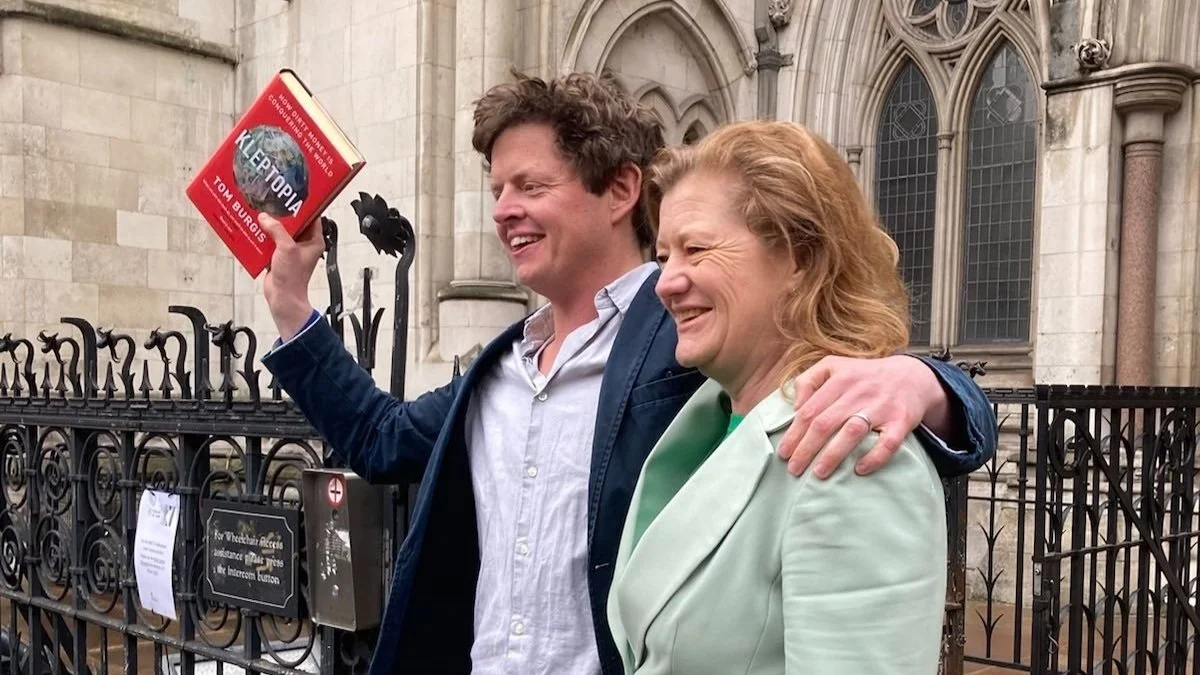
ENRC slapped down in Kleptopia case
Serial SLAPP litigants have their libel case against Tom Burgis and HarperCollins dismissed in the High Court

Civil Society calls out Kleptopia SLAPP
14 organisations, including Blueprint condemn the suits initiated Tom Burgis and his publishers by serial SLAPP litigant ENRC

Suisse Secrets: Credit Suisse's dubious client list opened for scrutiny
A major leak of account data from Credit Suisse demonstrates systematic compliance failures at Switzerland's second largest bank
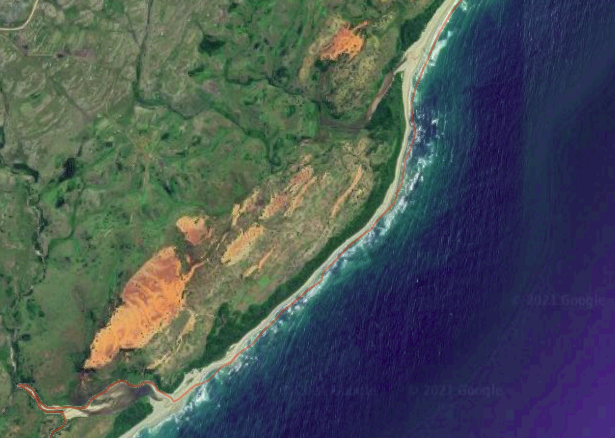
South African SLAPP case reaches constitutional court
Long-running case against environmental activists could affirm an anti-SLAPP precedent of international importance

European institutions step up pressure for anti-SLAPP measures
Europe is inching towards binding action against nuisance lawsuits

LuxLeaks back in court as Halet case reaches Grand Chamber
Blueprint for Free Speech, in collaboration with a number of whistleblower protection, tax justice and freedom of expression organisations, has submitted a third party intervention in support of Halet
Australian Border Forces Seize Computers, Phones and Passwords
ABF officers have the authority to search Australian citizens’ electronic devices at the border, and little is known about how these powers are being used